Overview
Designing a real-time home services marketplace focused on faster service coordination between customers and nearby workers.
Instafix reimagined traditional service discovery by shifting from passive listings to real-time request matching — allowing customers to instantly raise service requests while nearby workers receive and accept jobs in real time.
What I Owned
The Initial Hypothesis
Every product starts with an assumption.
Before interviewing workers, I believed the biggest challenge was access to opportunities. My assumption was simple: if workers could discover more jobs, finding work would become easier.
It felt like a reasonable place to start. Many digital products solve problems by improving access to information, so I initially framed this as a discovery problem.I wanted to understand how workers actually found work, what challenges they faced, and where the existing process was breaking down.
That research completely changed the direction of the project.
The Core Insight
The problem wasn’t job discovery.
My initial assumption was that workers struggled to find enough opportunities. Research revealed something different.
Workers already had multiple ways of finding work, and customers already knew where to look for help. The real challenge began after a customer needed a service.
The existing process depended on phone calls, referrals, and uncertain availability. Customers didn’t know who would respond, workers couldn’t easily communicate their availability, and both sides spent unnecessary time coordinating instead of getting the work done.
The real friction wasn’t discovering each other. It was coordinating a service request quickly and reliably.
How Do Workers Actually Find Work?
Interviews with workers revealed a consistent pattern.
Most opportunities came through relationships workers had built over time.
Hardware shop owners regularly recommended trusted workers to customers purchasing repair materials.
Many workers secured recurring work through apartment societies.
Repeat customers and word-of-mouth referrals became their most reliable source of future work.
These informal systems already connected workers with opportunities. The real friction began when a customer needed immediate help.
While workers had established ways of finding work, the customer experience told a different story. Customers still had to call multiple workers, wait for responses, and hope someone was available. Workers, on the other hand, had no reliable way to communicate their availability or receive service requests when they were ready to work.
The ecosystem wasn’t broken. The coordination between both sides was.

Why the Original Concept Didn’t Scale
My initial concept focused on helping workers discover more jobs through service listings.
Research revealed two important gaps:
It focused only on workers, not customers.
It didn’t make it easier for customers to get help when they needed it most.
The opportunity wasn’t to optimize one side of the ecosystem. It was to connect both sides in real time.
The Marketplace Pivot
The research changed the direction of the product.
Instead of improving how people found each other, the focus shifted to improving how they connected once a service was needed.
I reframed the product as a real-time request model. Customers could raise a service request in seconds, which was broadcast to nearby available workers. Workers could review and accept requests immediately, replacing fragmented coordination with a structured service flow.
The goal was no longer to help people discover each other. It was to help them coordinate effortlessly.

Designing the Marketplace
Designing for two users, not one.
The marketplace only worked if both customers and workers succeeded together. Every design decision had to create value for one side without introducing friction for the other.
Customers wanted to find reliable help as quickly as possible. Workers wanted confidence that a request was genuine, nearby, and worth accepting.
That meant designing more than individual screens. It meant designing the operational flow that connected both sides from request creation to job completion.
The final experience centered around 4 principles; These principles became the foundation for every workflow and interaction across the platform.
Real-Time Broadcasting
Reduce waiting time
Request States
Keep both sides synchronized
These principles came together through a single, connected service lifecycle. Rather than treating customer and worker experiences as separate flows, every stage was designed to keep both sides synchronized from request creation to job completion.

Wireframe Exploration
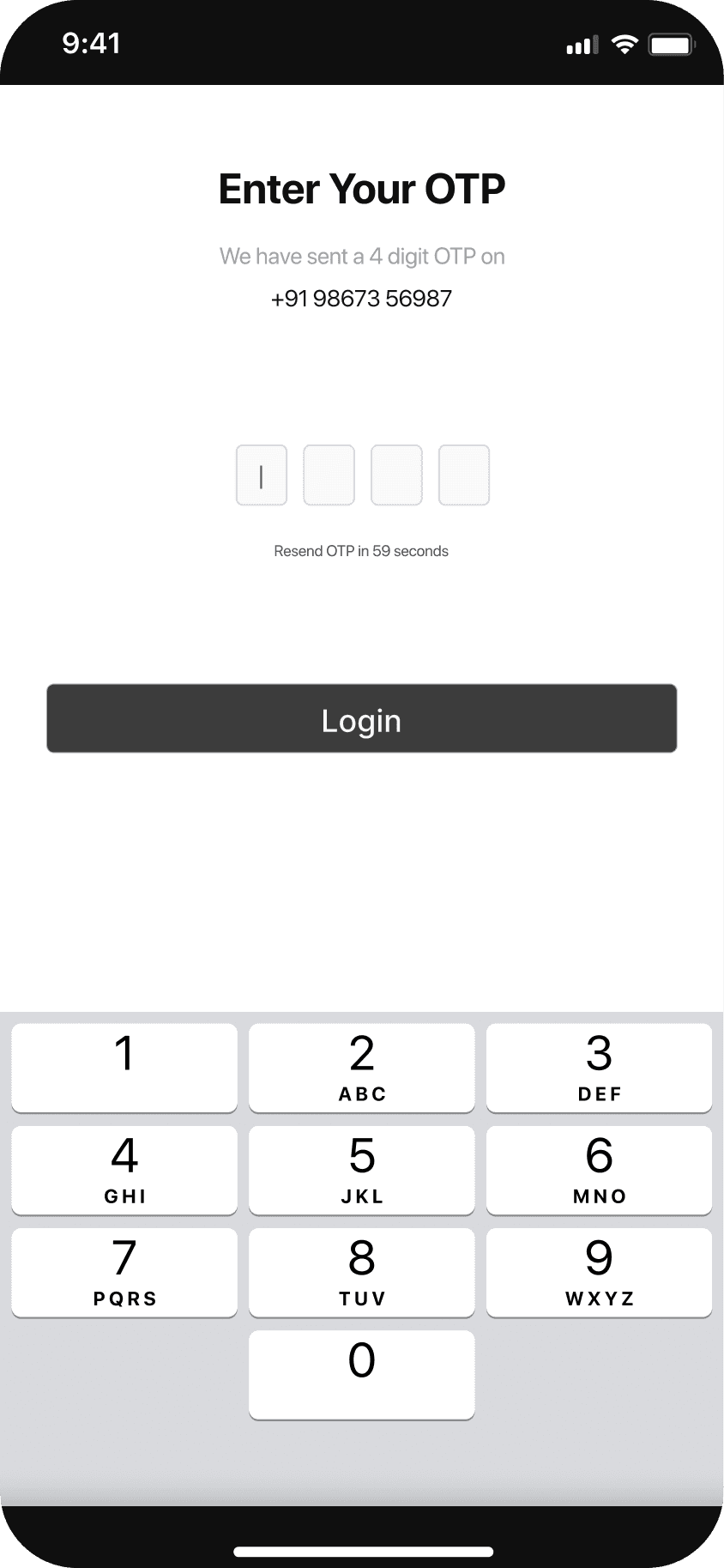
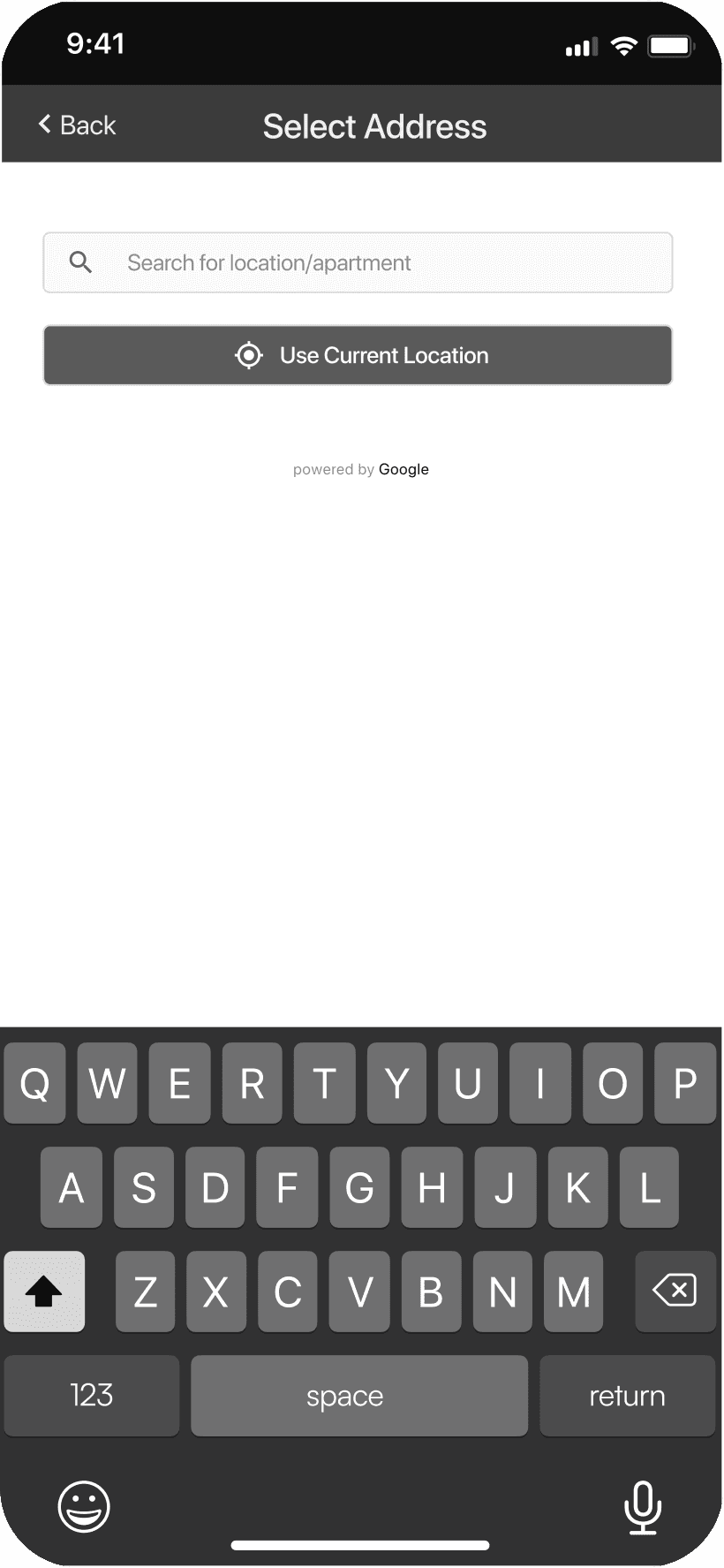
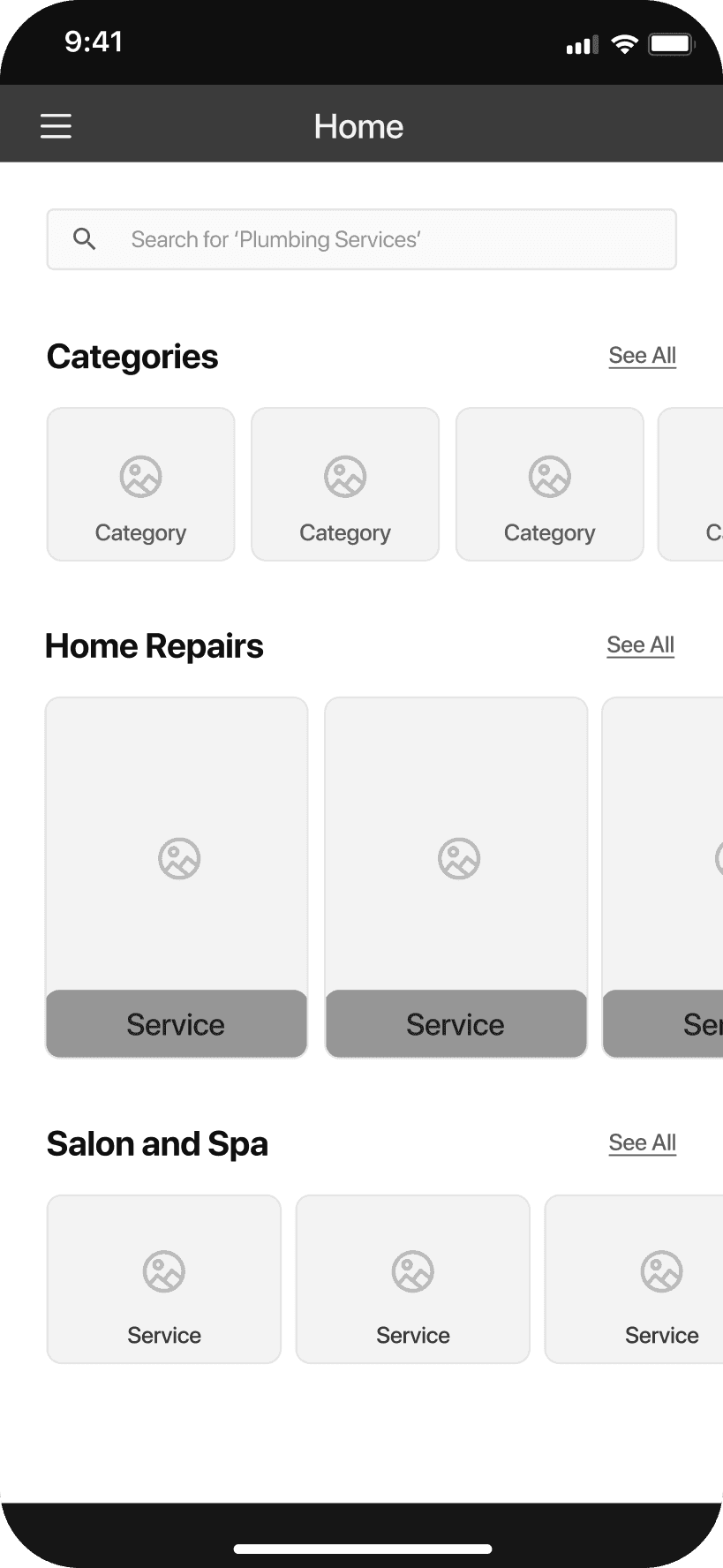
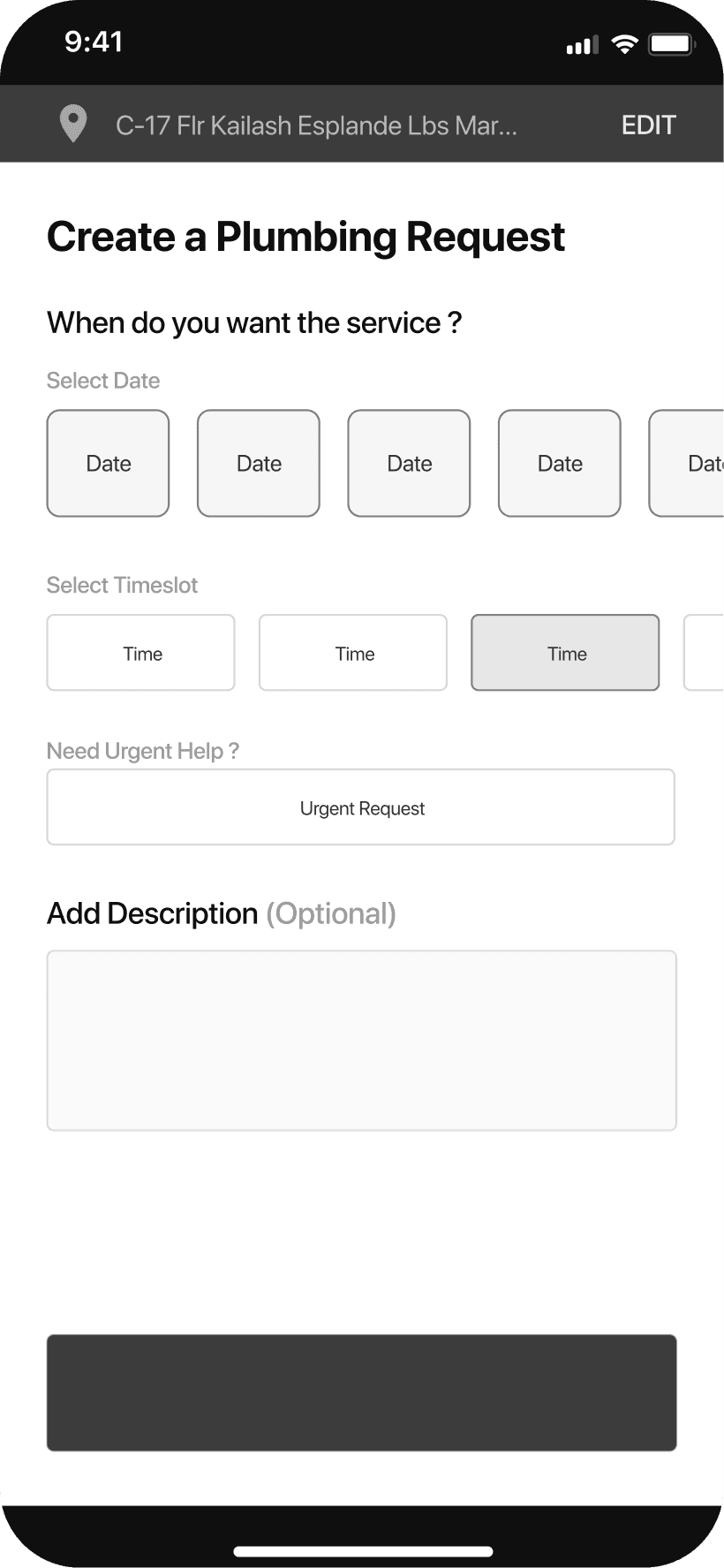
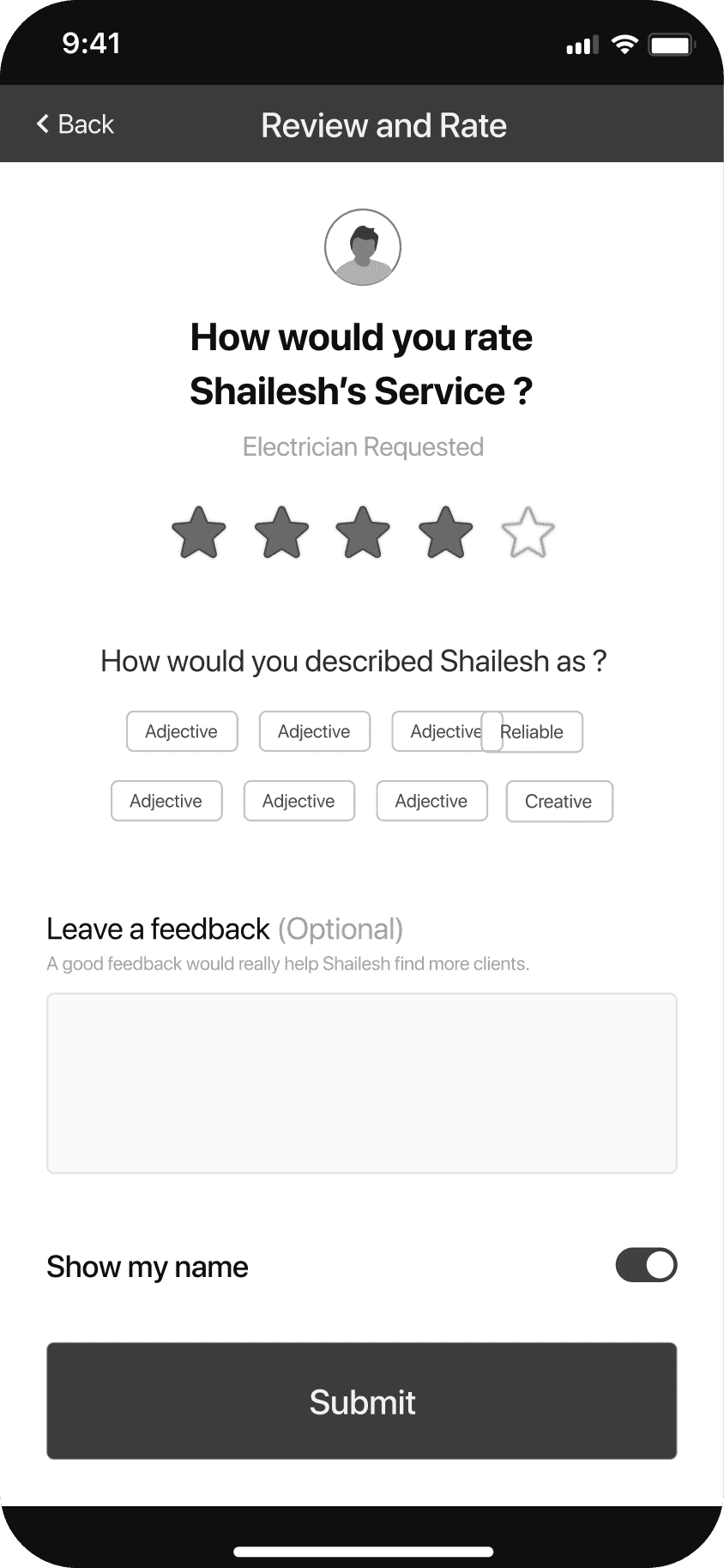
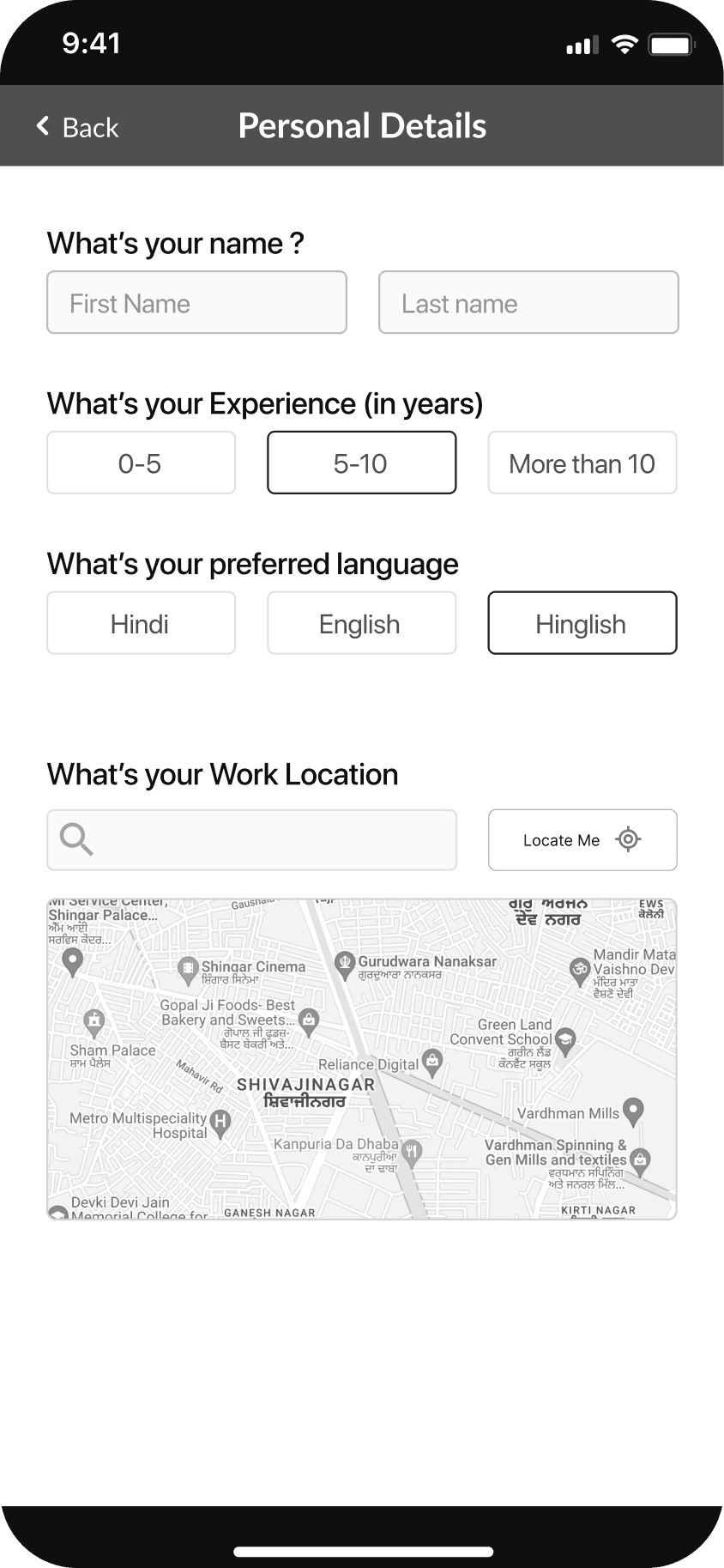
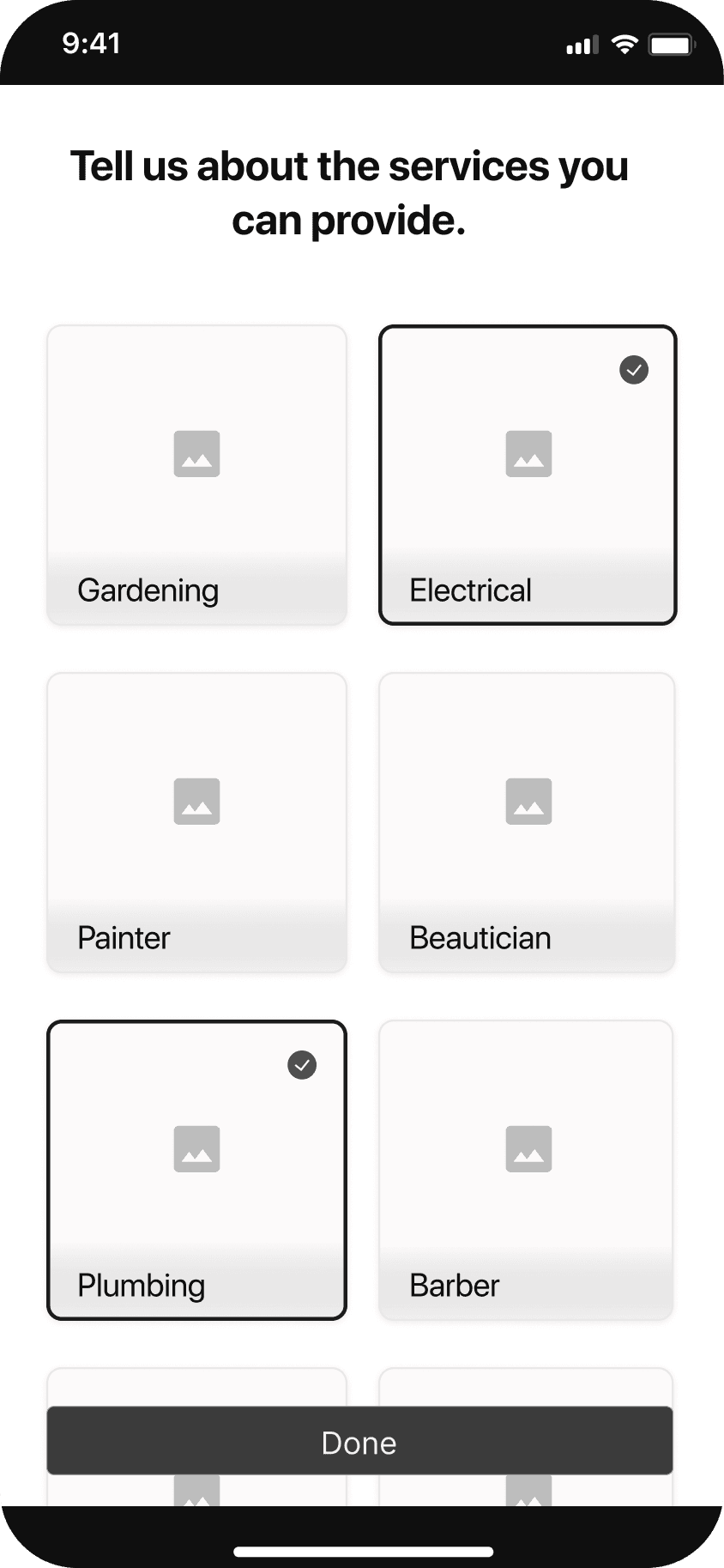
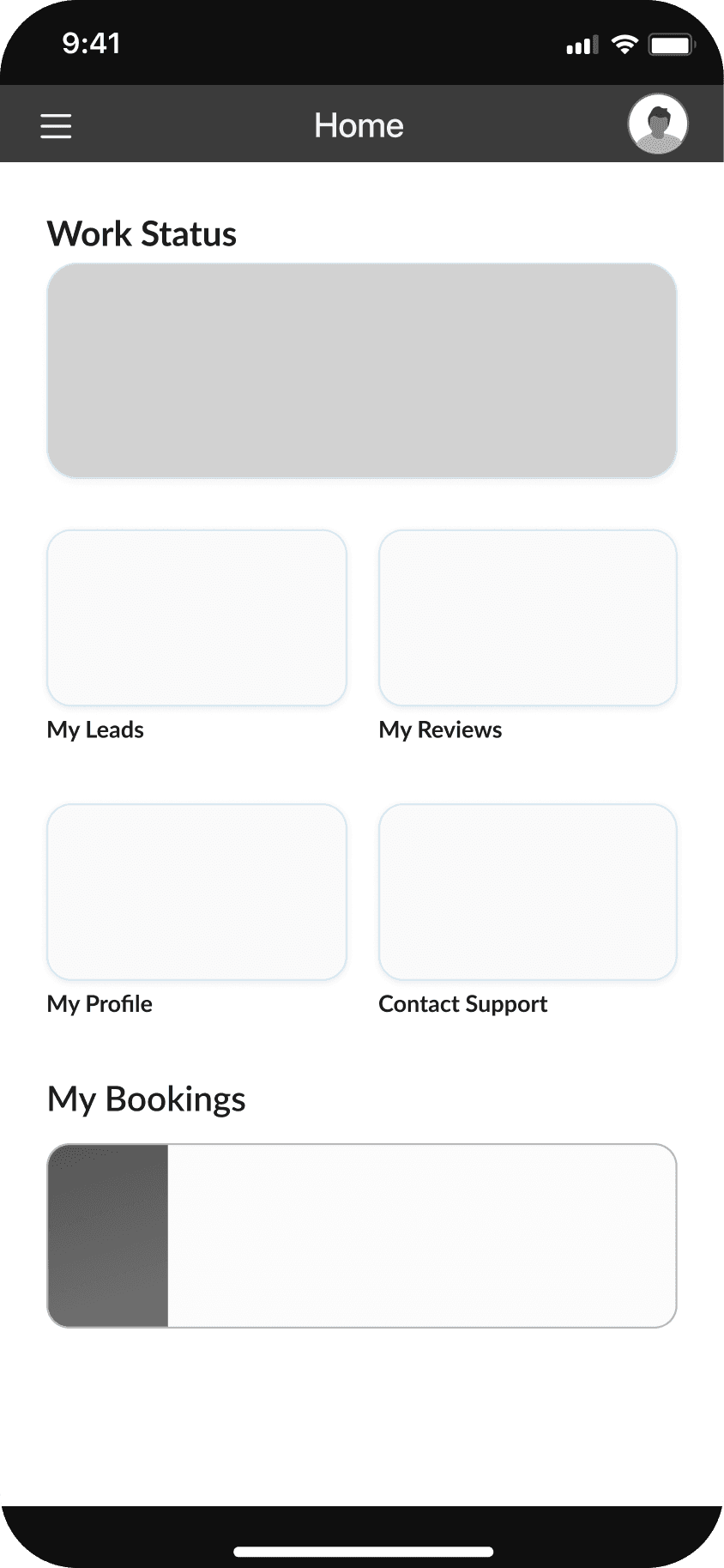
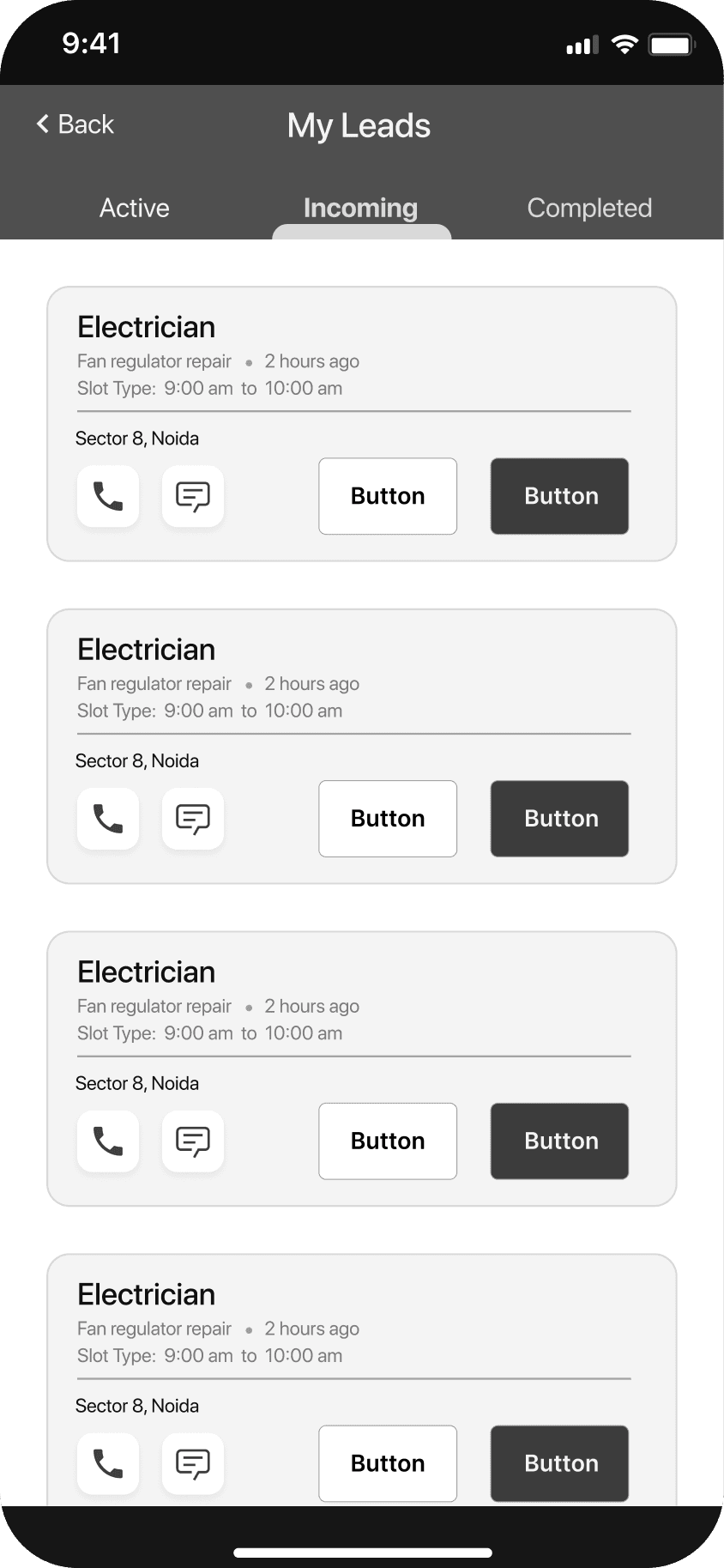
Before moving into final interfaces, I explored multiple low-fidelity flows to simplify request coordination and reduce friction across both customer and worker journeys.
Each iteration simplified the operational flow before visual refinement, allowing interaction problems to be solved while changes were still inexpensive.
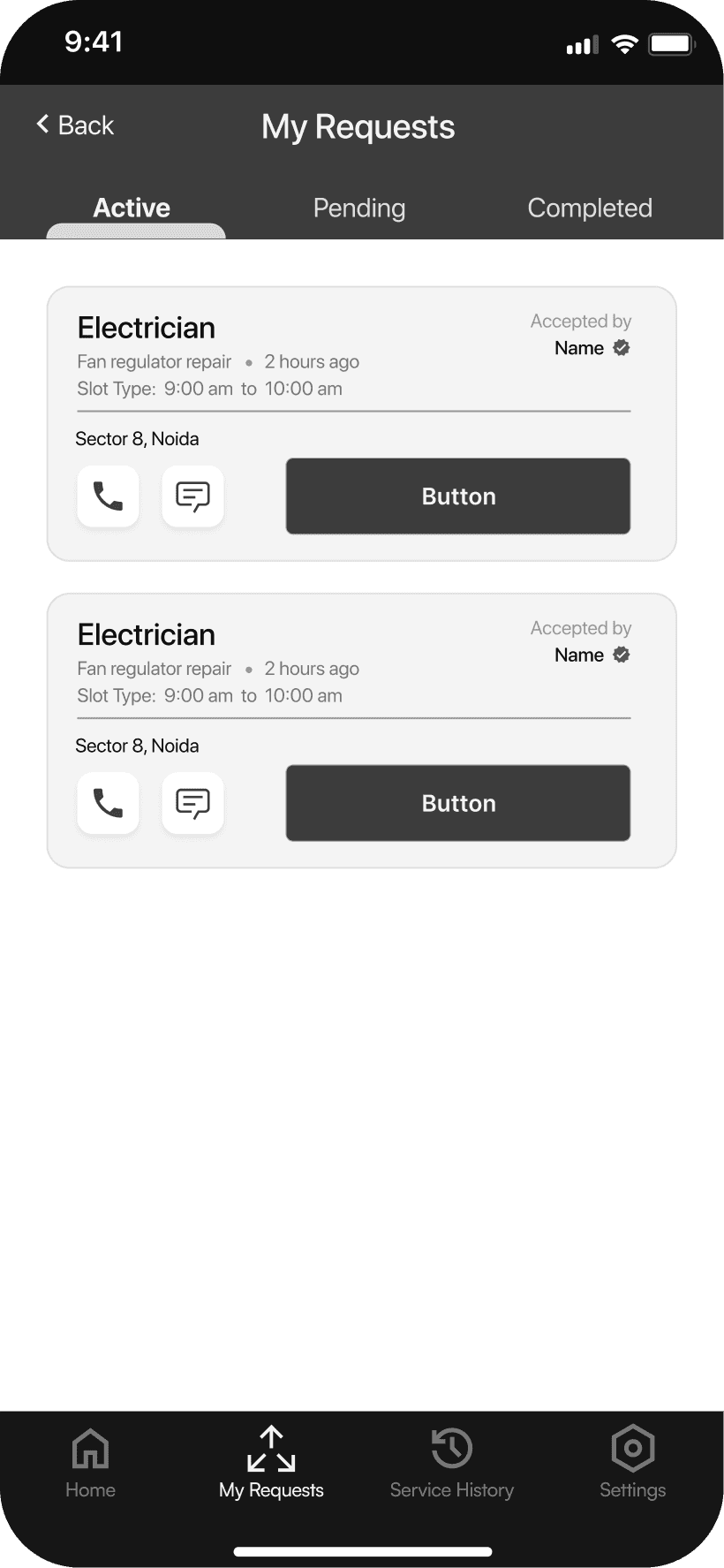

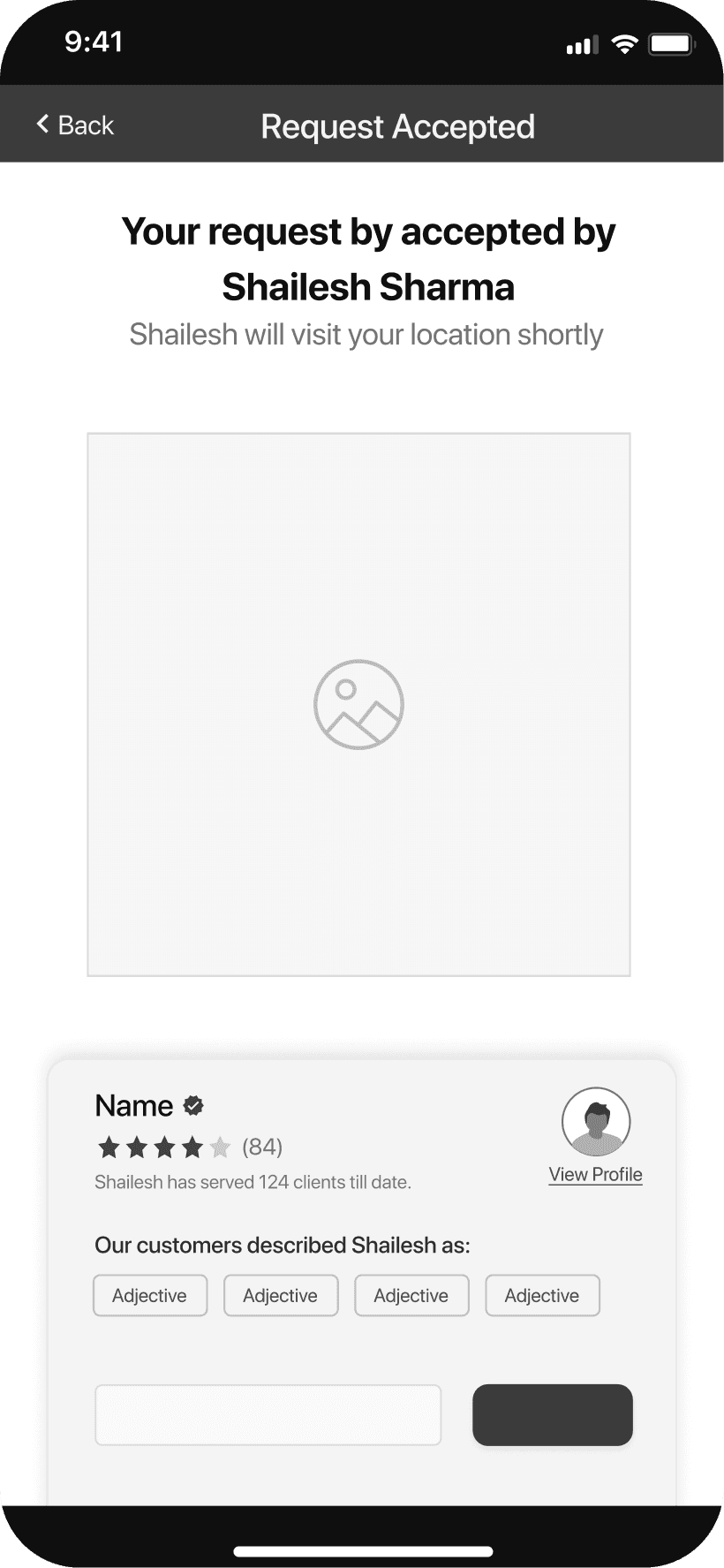
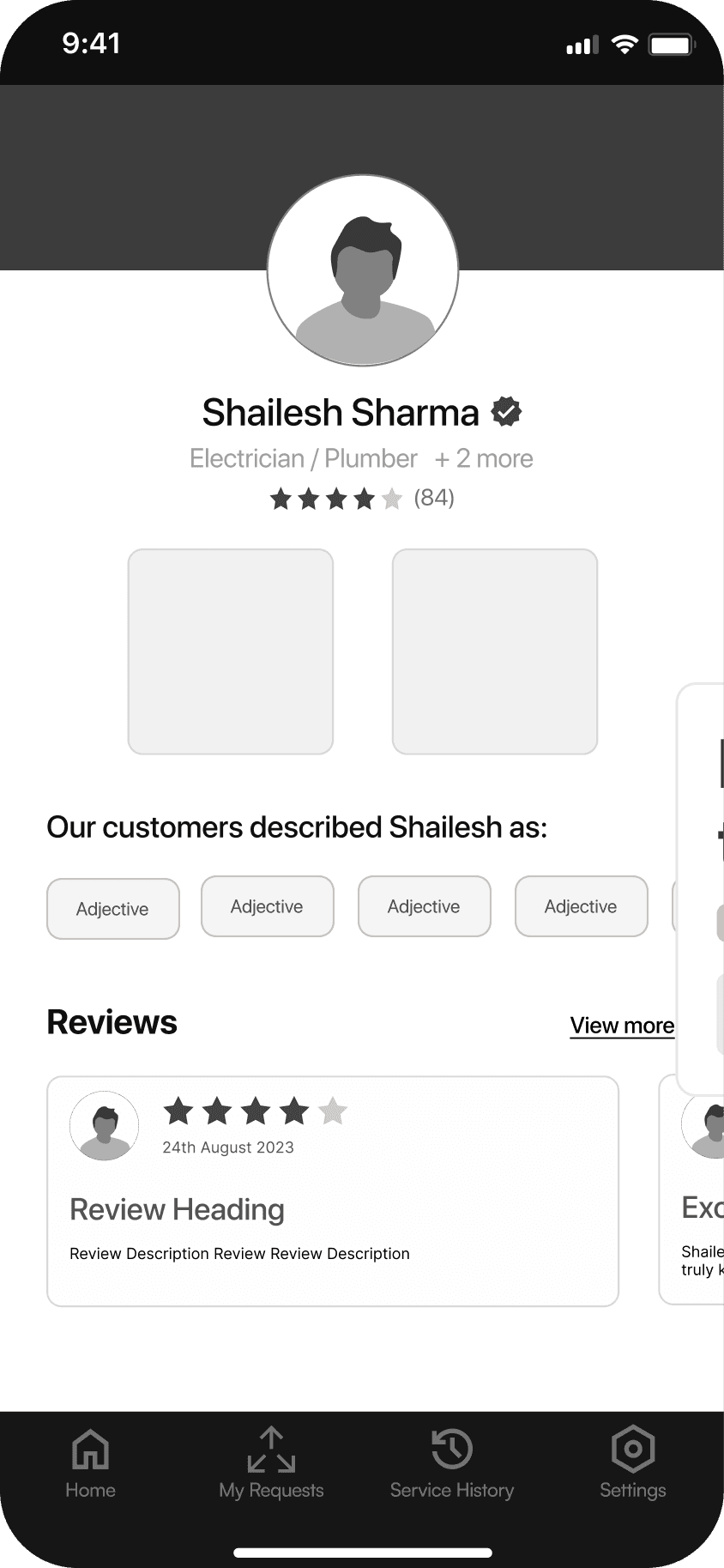
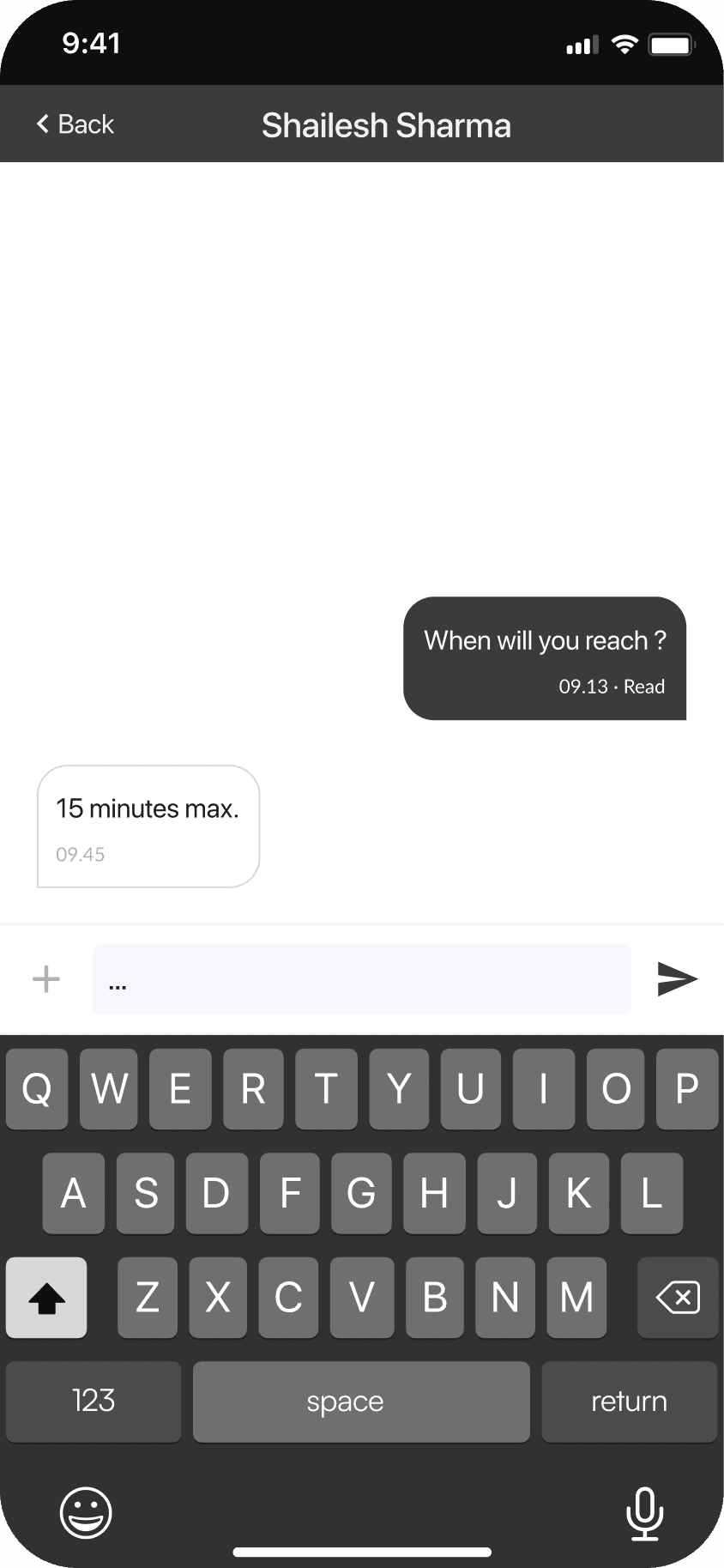

Core Flows
Once the operating model was defined, every screen was designed to support one goal: helping customers raise requests quickly while giving workers enough context to confidently accept them.
The flows were intentionally kept lightweight to support urgent, real-world service situations.
Helping customers request a service in minutes
Customers often needed help during time-sensitive situations. The experience therefore focused on minimizing the effort required to raise a request while keeping the entire process predictable from booking to completion.
Request: Describe the problem, choose the service, and provide location details.
Schedule: Select a convenient date and time for the visit.
Worker Match: Receive confirmation once a nearby worker accepts the request and track progress.
Completion & Review: Confirm job completion and provide feedback to improve future matches.

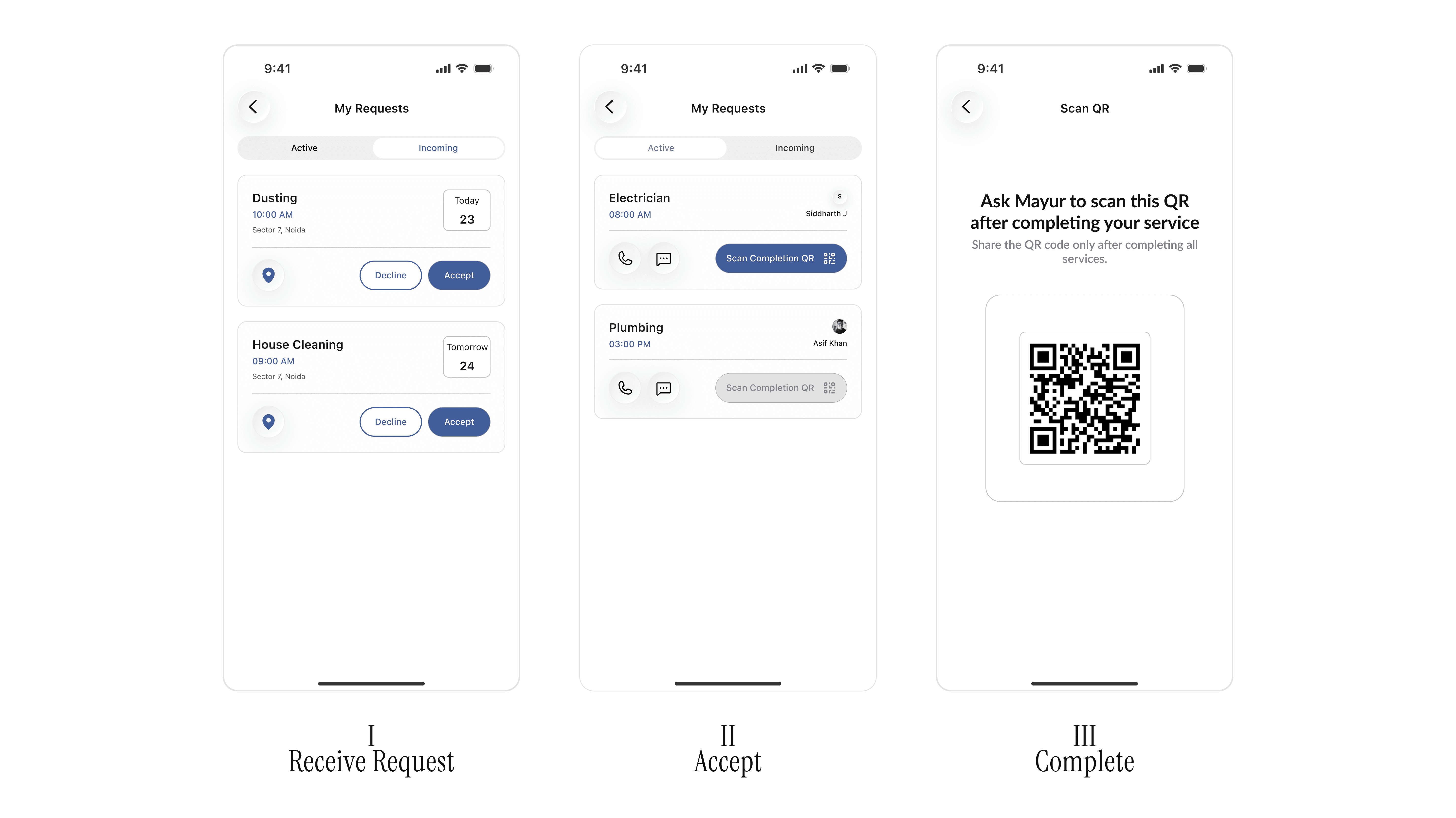
Helping workers respond with confidence
Workers needed more than notifications. They needed enough context to quickly decide whether a request was genuine, nearby, and worth accepting.
The worker experience organized incoming requests, active jobs, and completed work into a simple operational workflow that reduced confusion and made daily work easier to manage.
Receive Nearby Requests: View requests based on current location and availability.
Review & Accept: Evaluate request details before committing to a job.
Complete & Verify: Close the service using QR verification, ensuring both parties confirmed completion.
Trust & Reliability
Because home services involve entering personal spaces, trust wasn’t treated as a separate feature. It was designed into every stage of the service experience so customers could confidently invite someone into their home, while workers could build credibility over time.
Worker Profiles & Credibility
Customers rarely knew who they were hiring. Worker profiles surfaced meaningful trust signals such as completed jobs, ratings, reviews, experience, and activity history, helping customers make faster and more informed decisions.

Worker KYC Verification
To strengthen confidence within the platform, workers could complete identity verification and receive a visible verification badge on their profile. This created an additional layer of trust while encouraging workers to maintain verified accounts.

Reflection
I started the project believing I was designing a better way for workers to discover jobs. Research showed that the real challenge wasn’t discovery at all, it was coordinating customers and workers when a service was actually needed.
That shift changed the way I approached every design decision. Instead of designing individual screens, I focused on designing the operational system connecting two different users with competing needs.
It reinforced an important lesson:
Good products don’t always solve the problem people describe. They solve the problem research uncovers.
Future Exploration
The current product solves coordination. The next step would be optimizing how the marketplace performs at scale.
Intelligent dispatch based on proximity, availability, and reliability.
Reliability scoring to reward dependable workers and improve customer confidence.
Dynamic request prioritization during peak demand.
Worker incentive systems to improve response rates and availability
Marketplace analytics to continuously improve matching and operational efficiency.